
Mold Remediation Fort Myers, FL — IICRC Certified, EPA-Approved Methods
Protect Your Family. Protect Your Home. Eliminate Mold For Good
Fort Myers is one of the most mold-prone cities in the United States. High heat, near-constant humidity, frequent storms, and aging housing stock create ideal conditions for mold growth. If you’ve found mold — or even suspect it — you need certified professionals, not a can of spray bleach.
Armstrong Water & Mold’s IICRC-certified technicians follow strict EPA-approved protocols to safely remove mold, treat affected surfaces, improve air quality, and prevent recurrence. We’ve remediated mold in hundreds of Fort Myers homes — from small bathroom mold to post-hurricane whole-house infestations
Send us a message
Have a Quick Question or Comment?
Explore the firsthand experiences of our valued customers.
Posted on Google
 P M
P MTrustindex verifies that the original source of the review is Google.
After a newly discovered mold issue in our home I went on the search for a restoration company and came across Armstrong. Luckily I came across this company! They communicated well with my home insurance company, and when my home insurance requested specific breakdowns and itemized details of the necessary work, they completed it a very timely manner to not delay the process. They completed the work from top to bottom with trusted contractors to work with them along the way. They were transparent and maintained open communication with us throughout the entire process. I appreciated the fact that they cleaned up after themselves daily and treated my home with respect. Would highly recommend!Posted on Google Dan KasheyWhen the aroma of mold wafted from the cabinet under the kitchen sink we called Armstrong Water Mold Cleanup and Restorations on a Tuesday. They sent their ACE Technician Jose that very afternoon to have a look and a sniff. Jose confirmed there was a mold issue in and/or under the cabinet Nick then contacted us with a proposal to examine and remove existing mold and mold-damaged wood. Wednesday morning Jose arrived with two assistants and tented the island area to contain any mold that was disturbed. They dismantled some of the kitchen island cupboards, sorry, cabinets...I lived in England for too long. They removed damaged wood and pointed out the hole in the concrete slab where the water pipes emerged, suggesting we fill the hole with cement. When they departed, Jose told us to keep the HEPP filters running for four to five hours. On Thursday we had the hole filled and the cabinets rebuilt and on Friday Jose returned with his handy helper to dismantle the tent and help with a few other items. We couldn't be happier with the Jose's work ethic and support from the office staff in Ft. Myers.Posted on Google
 Lynda RedmonI was quite skeptical about mold remediation companies as I had heard numerous horror stories about them. However, Armstrong was 5-star from the beginning to end. I can’t say enough about their integrity and honesty. Nick was always friendly, accommodating and quick to respond…as was the work crew. Their quote was fair; they did exactly what they indicated they would do, and we ended with a condo that looked (and smelled) clean and healthy. They even returned after completion (and payment) of the job to take care of some trivial matters that our tenant needed. I have no problem recommending Armstrong for mold removal and remodeling….in fact, I HIGHLY recommend them.Posted on Google
 Deborah RJosh, Jose, Daniel, Gabriel, Julio and two other gentlemen (can’t recall their names) who worked on finding the leak, and then reconstruction. They were considerate of our property, and on time. At end of day told us when they would be returning and what was the next step. When completed, you couldn’t tell there had ever been a leak. Very professional group. Would highly recommend this company.Posted on Google
 Sherri BrackeTop mold service company in area! Very professional from the first phone call. I wasn’t pressured to do anything more than what would correct the problem. Other companies suggested lengthy and costly procedures. Let Affordable Water Restoration expertly fix your issues.Posted on Google
 Wanda JacobsRemediation of water/ mold project was well accomplished in one day thanks to Jose and assistant. Jose took good care of property and I was very pleased with the workmanship.Posted on Google
 Renee MurphyCan’t say enough about Nick and this company. First, they are where they say they’ll be when they say they’ll be there with small arrival windows. Second, they communicated extremely well. We knew our options and expected results so we could make the best choice for what to do. The team checked in with us every step of the way to be sure we were satisfied with the work being done. Thirdly, they were the cleanest contractors we have ever seen. Putting up dust barriers, drop cloths and tarps, sweeping and moping. Finally, the work is finished exactly as promised and looks great! Extremely happy we chose Armstrong and enjoyed working with everyone on our team.Posted on Google
 R DeeringNick is your guy for knowledgeable, prompt and friendly service to keep your home or investment property safe and sound!Load more
UNDERSTANDING MOLD IN SOUTHWEST FLORIDA
Why Florida Homes Are Especially Vulnerable:
Florida’s average humidity is 74%. Mold thrives above 60%. Combined with our warm temperatures and frequent water intrusion events (storms, hurricanes, flooding), Southwest Florida homeowners face year-round mold risk that homeowners in cooler climates simply don’t experience.
How Quickly Mold Grows:
Mold can begin growing within 24–48 hours of a moisture event. In Florida’s climate, visible mold colonies can appear in as little as 72 hours. This is why quick response to any water damage is so critical.
Common Mold Types in Fort Myers Homes:
- Cladosporium — most common; found on fabrics, wood, and HVAC systems
- Penicillium — fast-spreading; common after water damage
- Aspergillus — found in humid areas; can cause respiratory issues
- Stachybotrys (Black Mold) — least common but most dangerous; requires sustained moisture
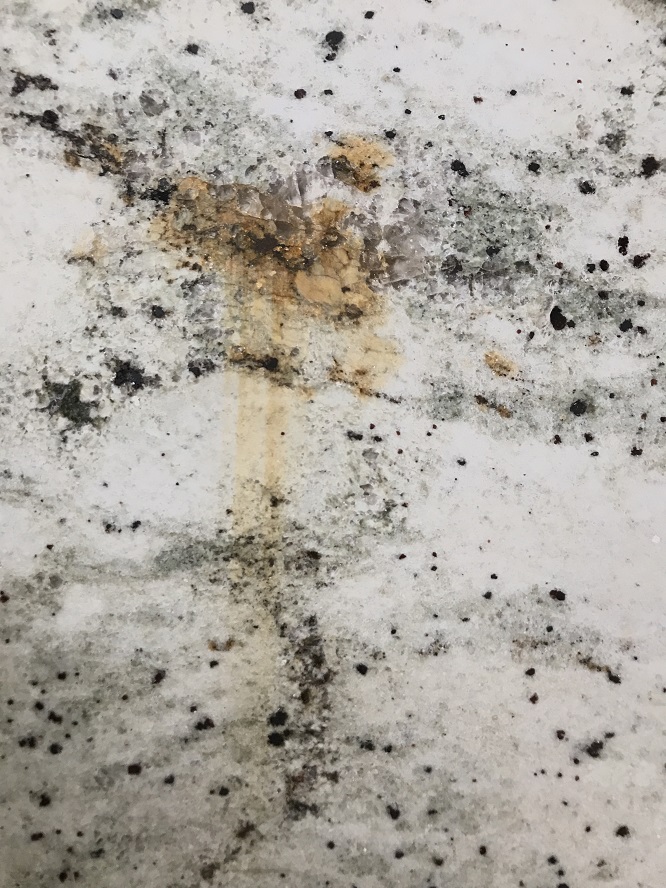
Any visible mold growth should be treated seriously. We do not recommend attempting to identify mold type yourself — professional testing is the only reliable method.
HEALTH EFFECTS OF MOLD EXPOSURE
Mold exposure affects people differently depending on sensitivity, age, and existing health conditions. Common symptoms include:
- Chronic coughing and sneezing
- Nasal and sinus congestion
- Eye and throat irritation
- Skin rashes
- Headaches and fatigue
- Worsening asthma and allergy symptoms
- In severe cases: respiratory infections, neurological symptoms
Children, elderly individuals, and those with compromised immune systems are most at risk. If any family member is experiencing unexplained symptoms, mold could be a factor. Call us for a free inspection.
SIGNS YOU NEED MOLD REMEDIATION
- Visible dark spots or fuzzy growth on walls, ceilings, or floors
- Persistent musty odor — even if you can’t see mold
- Recent water damage, leak, or flooding that wasn’t professionally dried
- Discoloration around HVAC vents or air registers
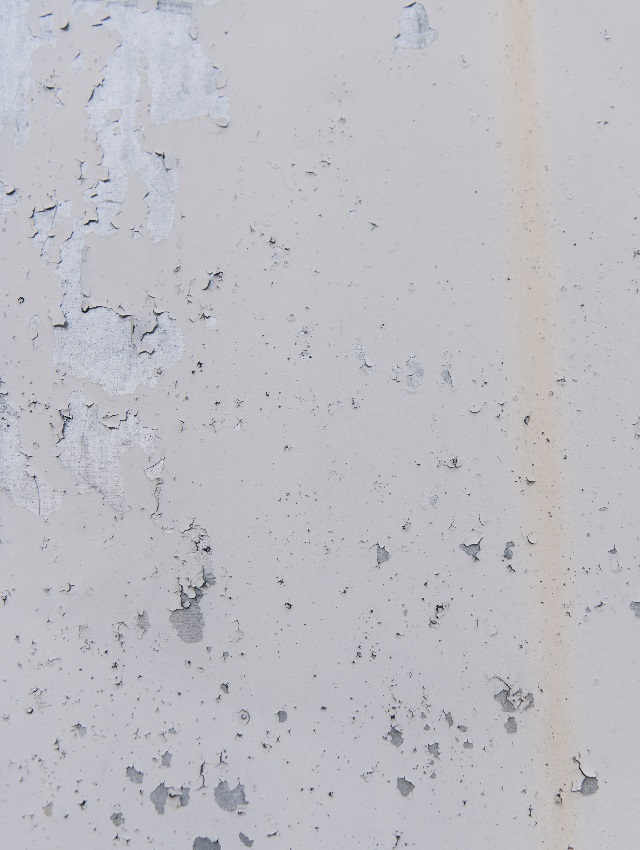
- Bubbling or staining on bathroom caulk or grout
- Family members with unexplained respiratory or allergy symptoms
- Mold inspector or home inspector finding mold during sale or purchase
- Post-hurricane or post-storm moisture in walls or ceiling
Get in touch with Us
Contact us today to learn more about our Mold Remediation and restoration Service. Let Armstrong help you restore and improve your property.
OUR MOLD REMEDIATION PROCESS
Choose Armstrong to Get Rid of Mold Infestation
Choose Armstrong to restore your property and ensure your environment is healthy and safe. Our team is fully licensed, and insured, and has decades of experience in mold remediation and water damage restoration. We understand the challenges associated with mold that can affect your home or business, which is why we offer tailored solutions designed to address your specific needs effectively.
Contact us today to schedule a mold inspection and testing and get a free estimate. Let us help you create a safer, healthier living or working environment with our expert mold remediation services.
Frequently Asked Questions
Bleach is ineffective on porous surfaces (drywall, wood, grout). It kills surface mold but doesn’t penetrate to the root. The mold grows back. Professional remediation removes the source, treats deeply, and prevents recurrence.
Small, contained areas: 1–2 days. Larger infestations or post-hurricane damage: 3–7 days or more. We’ll give you a specific timeline during inspection.
It depends on the cause. Mold resulting from a sudden covered water damage event (burst pipe, storm) is often covered. Mold from long-term neglect or maintenance issues typically isn’t. We’ll help you understand your coverage and document the cause.
Usually yes for localized mold. For whole-home infestations or when HVAC systems are involved, temporary relocation may be advised. We’ll give you an honest assessment.
Testing identifies what type of mold is present and how much. Remediation removes it. You don’t always need testing before remediation — but post-remediation clearance testing is strongly recommended to confirm the job is done.
Control moisture. Fix leaks immediately. Run AC consistently (this dehumidifies). Use bath fans. Clean HVAC filters regularly. Schedule annual mold inspections if you’ve had past issues.
Send us a message
Have a Quick Question or Comment?
Mold doesn’t go away on its own. The longer you wait, the worse it gets.
Call Armstrong Water & Mold today for a free mold inspection.
(239) 541-4200 — Available 24/7